
Litter Box Comparison
Covered vs Uncovered Litter Box: Test Your Cat’s Preference Before Buying
Compare usable space, exits and daily inspection without assuming that a hood gives every cat the privacy they want.
By Pussies & Tits · 5 min read · Published
Sourcing and editorial standardsThe short answer
Neither covered nor uncovered boxes suit every cat. An open tray makes inspection and escape easier; a covered design changes space, visibility and access. Offer a suitably sized alternative with the same familiar litter and watch voluntary use before replacing an accepted box.
See your next step →Key takeaways
- Individual preference matters; 'cats need privacy' is not a universal buying rule.
- A hood can reduce usable space even when outside dimensions look generous.
- Changing only the cover makes a preference trial easier to interpret.
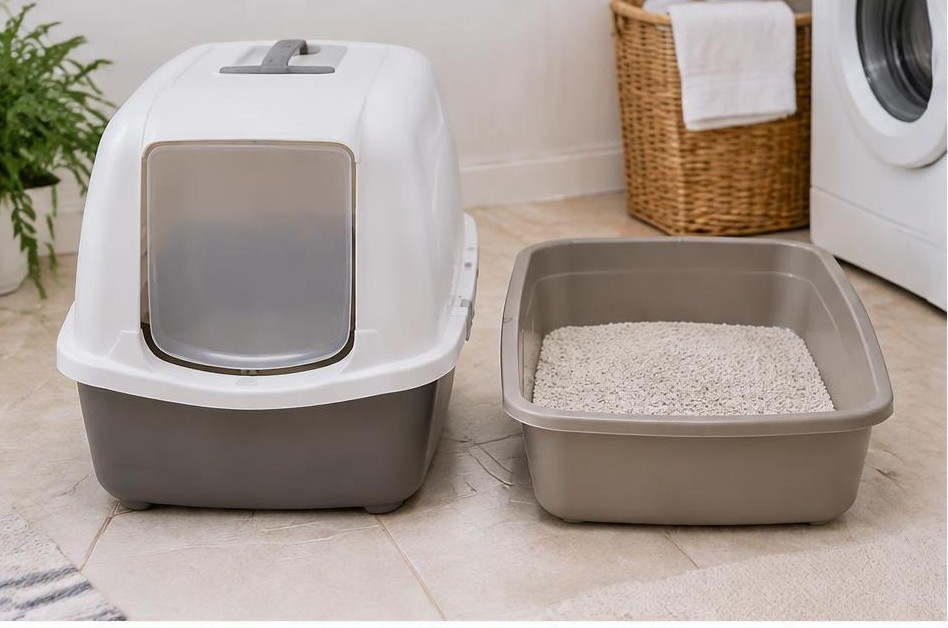
Why a lid changes more than appearance
A cover can conceal litter from people, but concealment is not evidence of feline comfort. AAHA/AAFP identifies open versus covered design as a factor that may matter to individual cats. A hood changes visibility, exit options and the space available to turn. Check the complete interior rather than the base footprint alone. A swinging flap adds another obstacle and should not be treated as an essential feature for a cat that has never used one.
Compare the everyday trade-offs
Evaluate your cat’s access first and your maintenance routine second. Both types still need daily scooping; an odor filter does not remove dirty litter. An uncovered tray with higher sides may contain some scatter without enclosing the whole space, but the entrance must remain accessible.
| Question | Uncovered | Covered |
|---|---|---|
| Can you see dirty litter? | Usually easy to inspect | Requires opening or looking inside |
| Usable space | No overhead restriction | Check hood height and taper |
| Departure | More visible surroundings | Often a single opening |
| Cleaning | Simple access | Lid and joints add surfaces |
Compare designs without losing usable space
Look for documented internal dimensions and removable covers. Keep your cat’s accepted option during any trial.
Compare on Amazon →Affiliate link: we may earn from qualifying purchases at no extra cost to you.
Run a simple choice trial
Keep the accepted tray and add a comparable alternative if space allows. Use the same litter, similar cleanliness and similarly accessible positions. Record which option is used without blocking access to encourage the new one. If a removable hood is the only difference, the comparison is easier than testing a tiny covered box against a very large open one. It is not a formal experiment, but it can reveal a practical preference without requiring an expensive purchase.
Watch the approach as well as the result
Hesitation, awkward turning or another cat waiting at the opening deserves attention. A cat eventually using a box does not prove the approach was comfortable. In a multi-cat home, distribute toileting locations so one entrance does not control access to every option. For an older cat or kitten, check the step-in height. Keep daily cleaning consistent throughout the trial; otherwise a preference for the clean tray may be mistaken for a preference for its cover.
Decide what actually needs changing
If your cat comfortably uses the current tray, changing it for aesthetics alone may create a problem rather than solve one. If scatter bothers you, start with a suitable mat and cleaning routine. If accidents are new, seek veterinary advice rather than assuming a hood is the answer. Before buying, verify inside dimensions, removable parts and return terms. This guide does not claim that covered boxes cause disease or that open boxes cure avoidance; it gives a way to evaluate fit and preference.
Frequently asked questions
Does a covered tray stop litter odor?
It does not replace daily scooping and regular washing. Concealing the tray can make accumulated waste easier to overlook.
Should I remove the cover if my cat already likes it?
Not automatically. Keep an accepted arrangement unless access, maintenance or a health concern requires a change.
Sources and further reading
This guide summarizes the references below. It is not a veterinary consultation or an independently tested product review. Check current local wildlife advice before acting.
Compare designs without losing usable space
Look for documented internal dimensions and removable covers. Keep your cat’s accepted option during any trial.
Compare on Amazon →Affiliate link: we may earn from qualifying purchases at no extra cost to you.
Keep exploring
Multi-Cat Homes
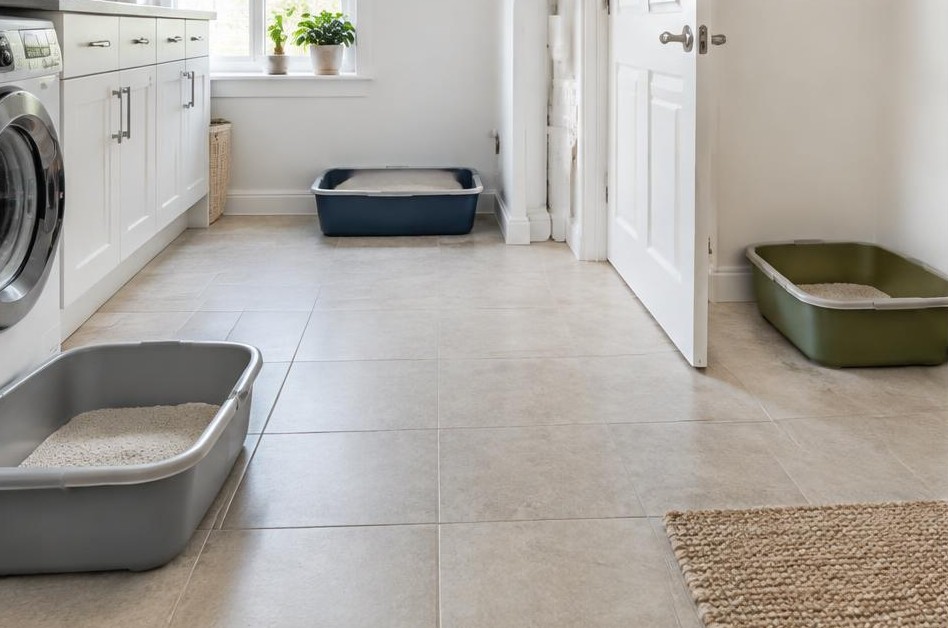
How Many Litter Boxes for 2 Cats? Start With Three Separate Locations
Use the cats-plus-one starting point, then check access, social tension and cleaning before buying a larger shared tray.
5 min read
Materials Buying Guide
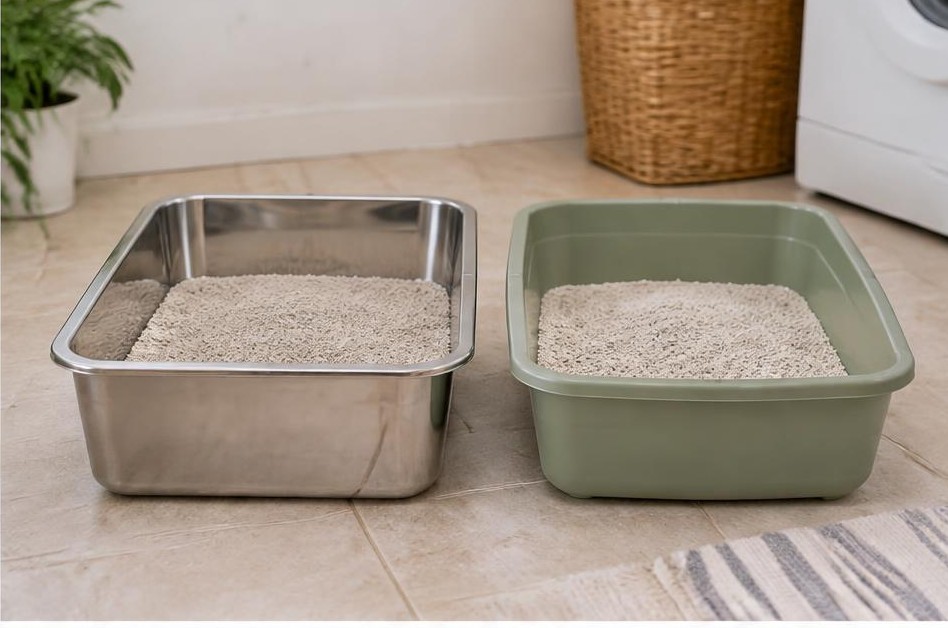
Stainless Steel Litter Box vs Plastic: Compare Fit, Finish and Cleaning
Separate material claims from useful specifications: interior dimensions, smooth edges, entry height and a cleaning routine you can maintain.
5 min read