
Chickadees & Titmice
Best Bird Seed for Chickadees and Titmice: A Simple North American Starting Point
Choose suitable sunflower seed and a manageable feeder, then compare shell waste, storage and local wildlife guidance before buying bulk.
By Pussies & Tits · 5 min read · Published
Sourcing and editorial standardsThe short answer
Black-oil sunflower seed is a useful starting point for many North American feeder birds, including chickadees and titmice. Offer it in a suitable clean feeder and compare hulled sunflower kernels if shell debris is a problem. Natural habitat and insects remain important; seed is supplemental, not a complete diet.
See your next step →Key takeaways
- Use local species and guidance rather than assuming European tit advice applies unchanged.
- Compare freshness and waste before buying the largest bag.
- Food choice cannot guarantee chickadee visits.
Start with the birds you actually have
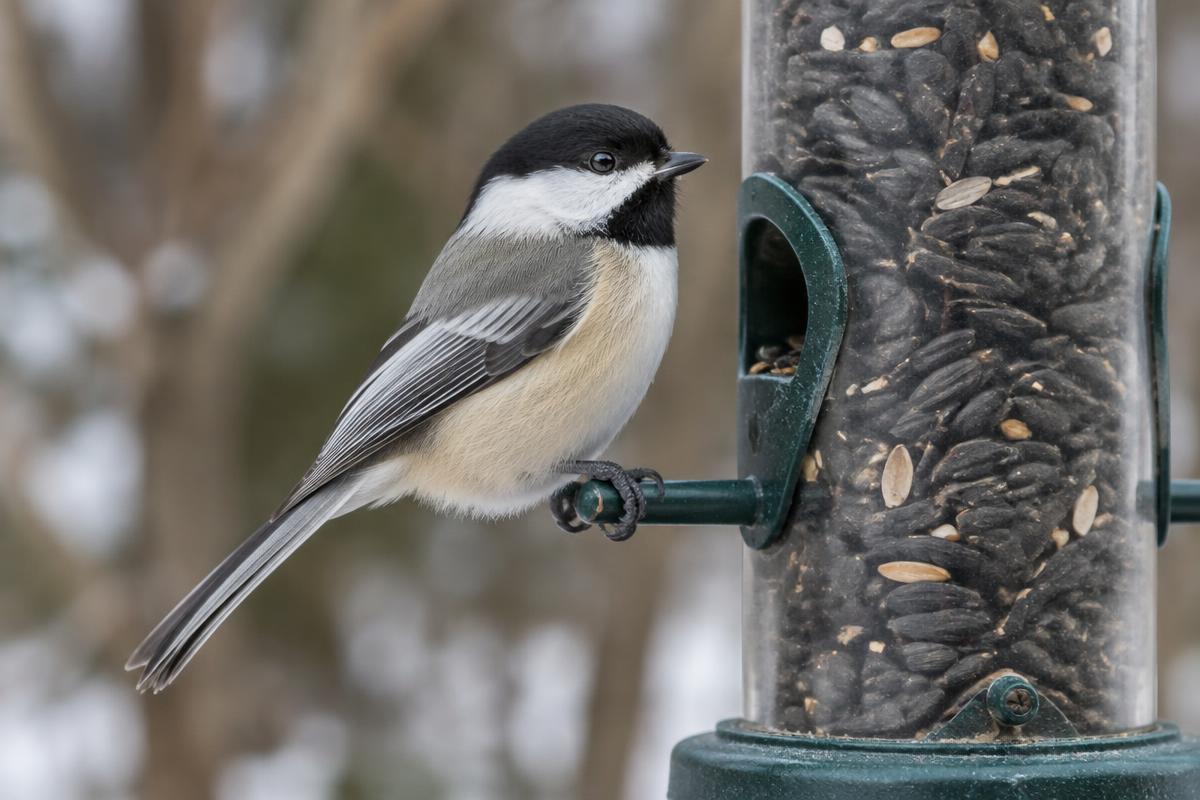
Chickadees and titmice belong to the same broad bird family as European tits, but their ranges and local feeding context differ. This guide follows North American Audubon references rather than UK seasonal recommendations. Look for local chickadees or titmice and check a regional guide when identification is uncertain. Seed does not replace natural insects, plants or habitat. Audubon describes feeder food as a supplement to wild food, not the entire nutritional plan.
Why sunflower is a sensible first comparison
Audubon recommends black-oil sunflower seed for its broad appeal and advises offering different foods in suitable separate feeders. A straightforward food makes it easier to see whether the feeder works and whether waste accumulates. Hulled sunflower removes shell debris but still needs protection from damp conditions and regular cleanup. Avoid salted or flavored human snack products and discard spoiled food instead of mixing it into a fresh bag.
| Option | Practical advantage | Still check |
|---|---|---|
| Black-oil sunflower | Broad appeal to feeder birds | Shell debris and feeder fit |
| Hulled sunflower | Less husk litter | Moisture and spoilage |
| Mixed seed | Different foods for different birds | Ingredients discarded below |
| Cool-weather suet | Another supplemental food | Heat, condition and cage safety |
Start with a manageable bag of appropriate seed
Compare plain wild-bird sunflower food, feeder compatibility and storage instructions before buying bulk.
Compare on Amazon →Affiliate link: we may earn from qualifying purchases at no extra cost to you.
Choose a feeder birds can use and you can maintain
Tube and suitable hopper designs can provide feeding access for chickadees and titmice. Check port size, dispensing, drainage and removable parts rather than choosing only a large capacity. If a blend constantly blocks the ports, change the food or design instead of shaking stale clumps loose. Keep the station away from reachable cats and address dangerous glass. A feeder that attracts birds but is difficult to keep safe and clean is not a successful setup.
Buy according to consumption and storage
Begin with a quantity you can keep dry and use while fresh. Read the package for contents, net weight and storage instructions; 'premium blend' alone says little about what birds will select. Use sealed storage protected from pests, and inspect food before refilling. Compare current unit prices only among suitable products and realistic quantities. A discounted bulk bag that spoils can create waste and welfare concerns rather than value.
Broaden support beyond the seed bag
Native planting, clean water and responsible pet management can improve a garden without increasing feeder volume. Audubon emphasizes food, water and shelter together. If visits remain sparse, review habitat, season and disturbance before buying a more elaborate mix. Follow current local disease and wildlife advisories; pause feeding when advised. We have not tested commercial food brands or ranked them by invented nutrition scores. The recommendation is a practical food category, not a paid winner.
Frequently asked questions
Will sunflower seed attract every chickadee?
No food guarantees visits. Local birds, habitat, season and feeder safety all affect use.
Are sunflower hearts the same as black-oil seeds with shells?
Hearts are hulled kernels. Removing husks changes waste, but both options still need suitable storage and feeder hygiene.
Sources and further reading
This guide summarizes the references below. It is not a veterinary consultation or an independently tested product review. Check current local wildlife advice before acting.
Start with a manageable bag of appropriate seed
Compare plain wild-bird sunflower food, feeder compatibility and storage instructions before buying bulk.
Compare on Amazon →Affiliate link: we may earn from qualifying purchases at no extra cost to you.
Keep exploring
North American Bird Feeding
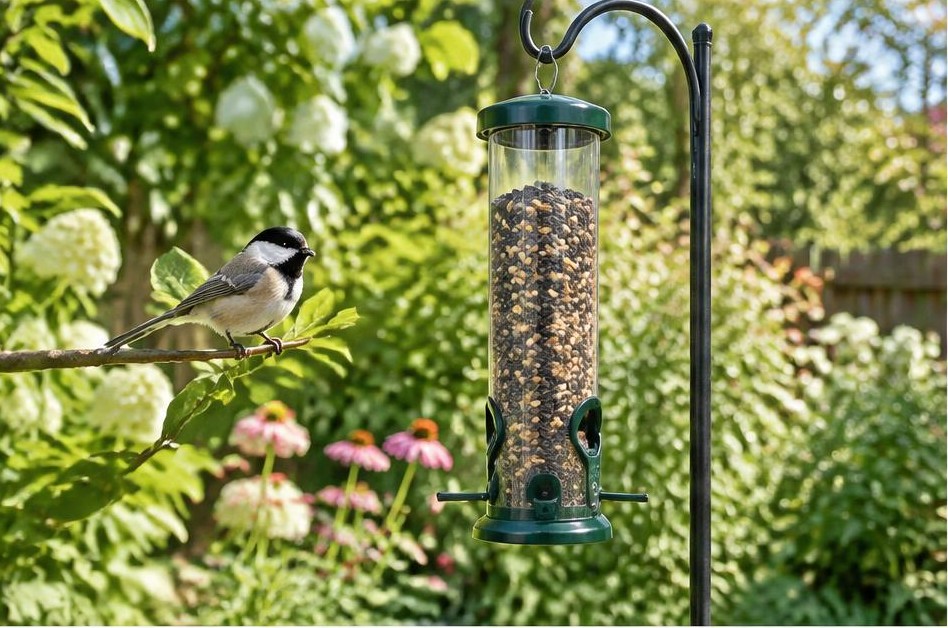
How to Attract Birds to a New Feeder: Check Food, Habitat and Safety First
A North American troubleshooting plan for a quiet feeder, without promising a deadline or recommending food piles on the ground.
5 min read
Cool-Weather Feeding
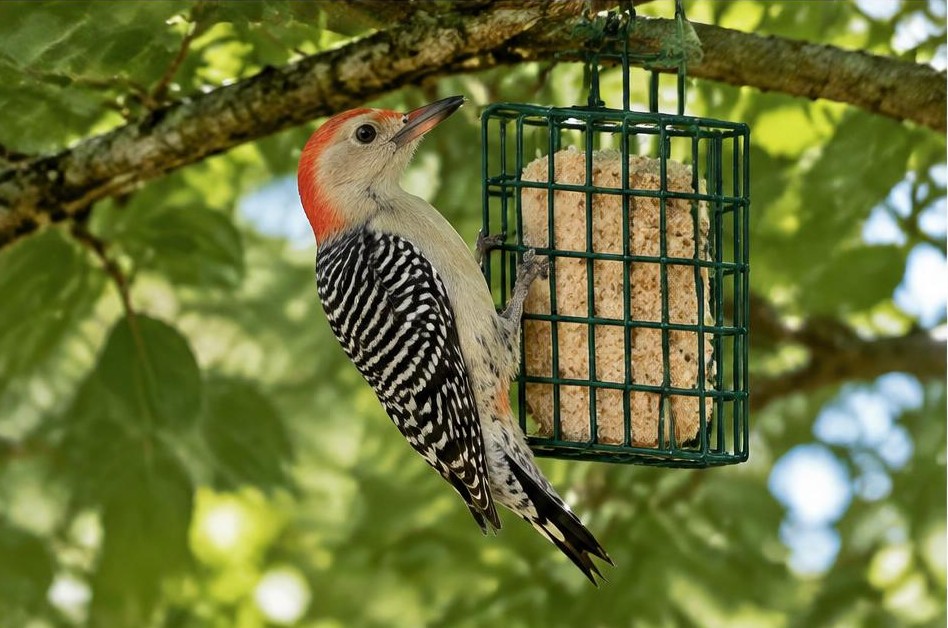
Where to Hang a Suet Feeder: Check Cats, Glass, Heat and Cleaning Access
Choose a secure cool-weather location and an inspectable cage for North American chickadees, titmice and other suet visitors.
5 min read