Feeder Hygiene
How to Clean Bird Feeders: A Trichomonosis-Aware Hygiene Checklist
Separate routine cleaning from illness response, prevent cross-contamination and choose equipment you can actually disassemble.
By Pussies & Tits · 6 min read · Published
Sourcing and editorial standardsThe short answer
Empty, disassemble, clean and disinfect feeders using current conservation guidance and the product’s instructions, then rinse and dry before refilling. BTO suggests regular cleaning, for example weekly. If birds appear ill, pause feeding and follow current disease-response guidance rather than relying on cleaning alone.
See your next step →Key takeaways
- Shared food and water can spread disease; cleaner equipment reduces risk, not to zero.
- Use dedicated outdoor equipment and avoid kitchen cross-contamination.
- Never put medicines into shared food for wild birds.
Why an apparently tidy feeder still needs cleaning
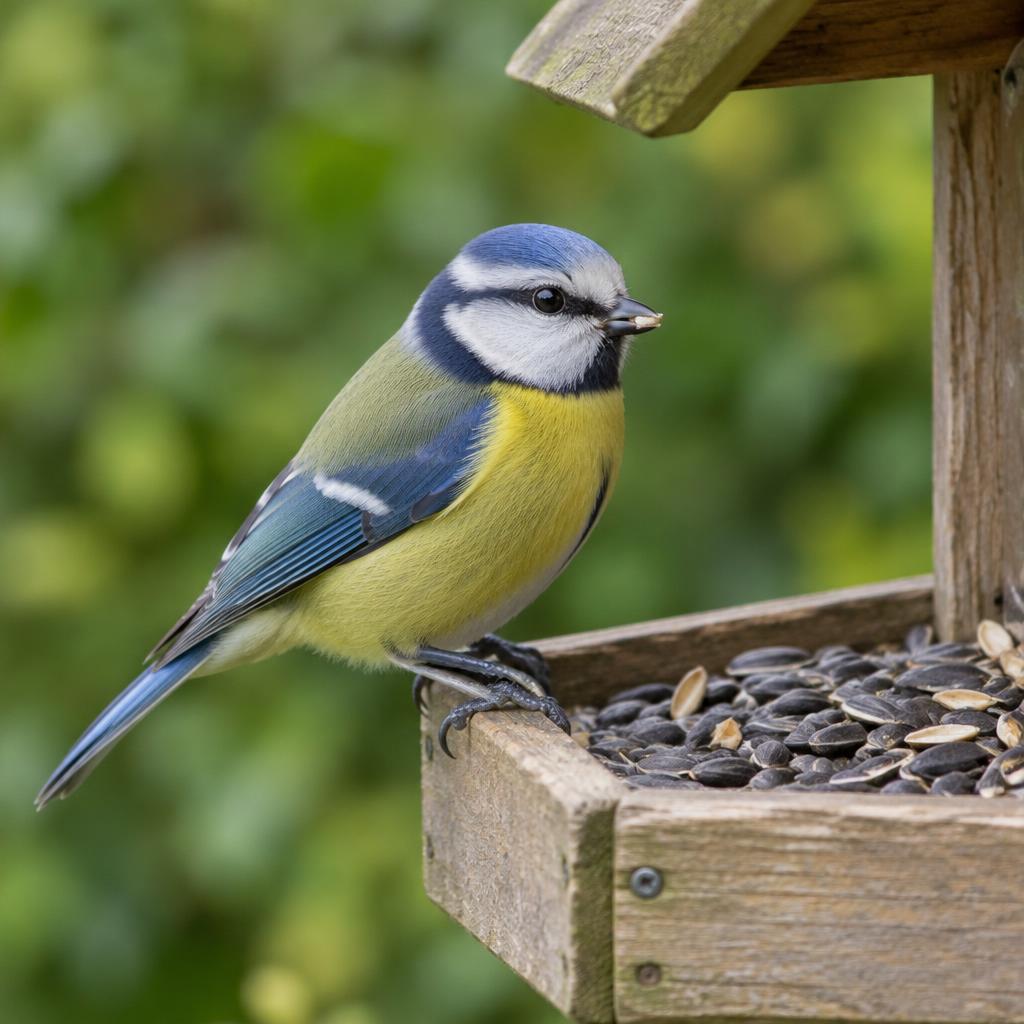
RSPB explains that trichomonosis can spread where birds share food and water. Wet food, droppings and accumulated debris can persist in ports and seams even when a reservoir looks clean. A large supply left in place is not necessarily helpful: offer quantities birds consume rather than continually topping up stale food. Look under the feeder as well as inside it, since dropped food can attract animals and expose birds to contaminated material.
A repeatable clean, rinse and dry sequence
Wear appropriate protective gloves and work away from food-preparation areas. Empty old food, take the feeder apart as intended, and remove debris with a dedicated brush. Follow current BTO or RSPB guidance and the disinfectant label for the exact product, contact time and dilution. Never mix cleaning chemicals or improvise a stronger concentration. Rinse thoroughly and allow the feeder to dry before adding fresh food. Clean hands and equipment afterward.
- Empty rather than top up old food.
- Disassemble and remove trapped debris.
- Use an appropriate cleaner exactly as instructed.
- Rinse and dry fully before refilling.
- Check bird baths and fallen food during the same visit.
Make your next feeder easier to clean
Compare feeders with removable ports and bases, plus dedicated cleaning brushes. Hygiene matters more than decorative features.
Compare on Amazon →Affiliate link: we may earn from qualifying purchases at no extra cost to you.
Routine maintenance versus an illness response
A bird that struggles to swallow, looks unusually lethargic or sits fluffed up is not something to diagnose from one distant view. Check current conservation guidance and seek local wildlife advice. Stop feeding when advised and clean feeding and drinking equipment. Do not attempt to medicate free-living birds through shared food. Other animals could receive the medicine, and the affected bird may not get a suitable dose.
| Situation | Priority | Do not assume |
|---|---|---|
| Normal visits | Regular cleaning and fresh quantities | A full feeder is a clean feeder |
| Wet or spoiled food | Remove food and clean | New food makes the old food safe |
| Suspected sick bird | Pause and follow disease guidance | Cleaning alone solves an outbreak |
| Hard-to-clean feeder | Improve access or replace design | A decorative design is practical |
Choose cleanability before capacity
Before buying a feeder, check whether ports, perches and the base detach without difficult tools. Ask where water drains and whether replacement parts are available. A smaller, simple feeder may be more practical than a high-capacity design you cannot wash well. Dedicated brushes and a routine can be useful, but no cleaning product should be marketed as a guarantee against disease.
Keep the schedule connected to current guidance
BTO gives weekly cleaning as an example of regular hygiene; wet weather, heavy use or disease concerns may require changes. RSPB’s current UK advice also restricts seeds and peanuts seasonally, so cleaning guidance is not permission to feed every food year-round. Recheck the linked sources before changing your routine, especially during reported disease concerns. For gardens outside the UK, follow the relevant local wildlife organization.
Frequently asked questions
Can I clean a feeder in the kitchen sink?
Avoid contaminating food-preparation areas. Use dedicated equipment and follow the linked conservation guidance for safe cleaning and disposal.
Does disinfecting prevent all bird disease?
No. It can reduce risk as part of appropriate feeding and hygiene, but it does not eliminate disease or replace an outbreak response.
Sources and further reading
This guide summarizes the references below. It is not a veterinary consultation or an independently tested product review. Check current local wildlife advice before acting.
Make your next feeder easier to clean
Compare feeders with removable ports and bases, plus dedicated cleaning brushes. Hygiene matters more than decorative features.
Compare on Amazon →Affiliate link: we may earn from qualifying purchases at no extra cost to you.
Keep exploring
Bird Food Comparison
Sunflower Hearts vs Peanuts for Garden Birds: Choose by Season and Feeder
Compare husk waste, feeder compatibility and storage, starting with current UK seasonal feeding advice rather than a year-round sales pitch.
5 min read
Garden Birds
How to Attract Tits and Finches to Your Garden
The best bird feeders, seeds and plants for bringing blue tits, great tits and finches to your backyard.
7 min read