
Side-by-Side Identification
Blue Tit vs Great Tit: The Head and Chest Clues to Check First
Tell two common European garden birds apart using cap color, face pattern and chest markings, without relying on size alone.
By Pussies & Tits · 5 min read · Published
Sourcing and editorial standardsThe short answer
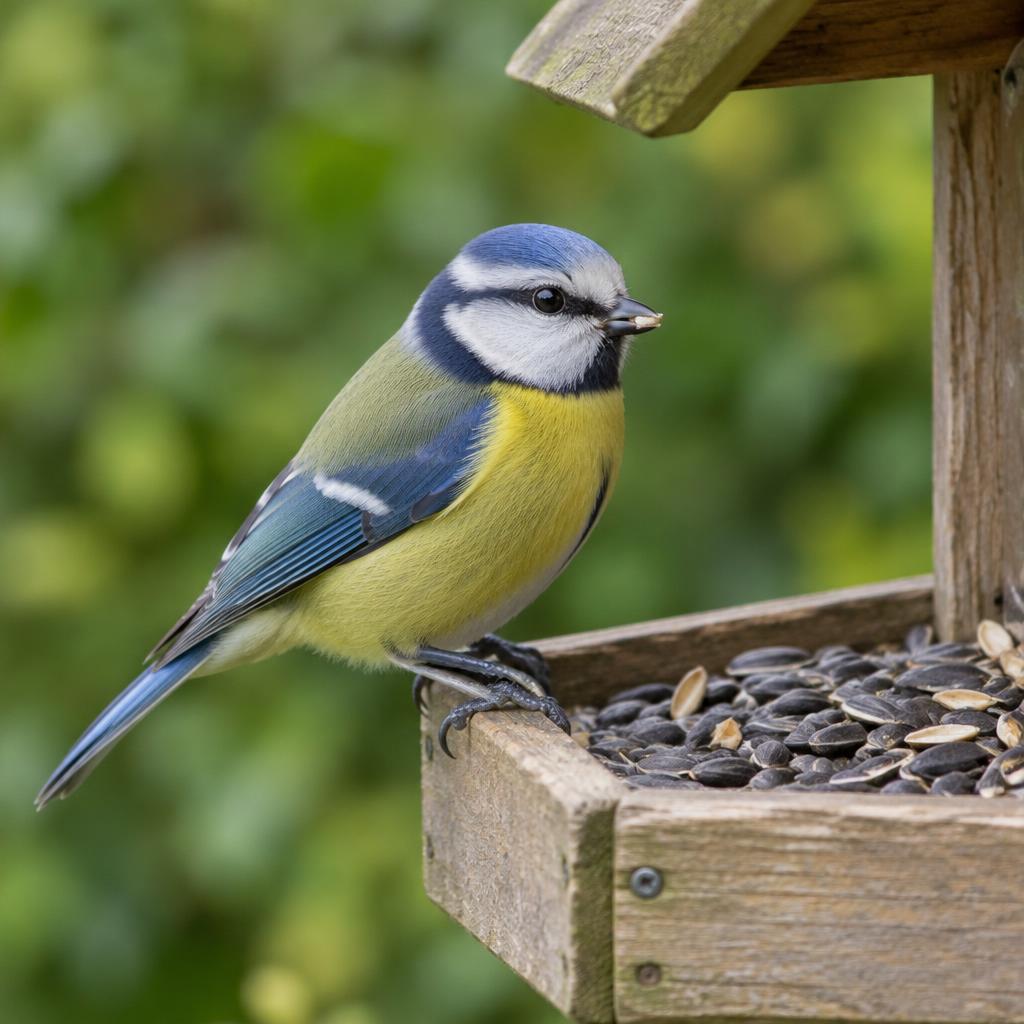
Check the head first: a blue tit has a blue cap and a dark eye stripe across a pale face; a great tit has a glossy black head with large white cheeks. Then check the yellow chest: the great tit has a prominent central black stripe. Size is supporting evidence, not the easiest first clue.
See your next step →Key takeaways
- Head pattern is usually more useful than size through a window.
- Both species can show yellow underparts; yellow alone is not enough.
- Poor light, juveniles and a brief view can make an identification uncertain.
Why the two birds get mixed up
Both are members of the tit family and common visitors to European gardens. A brief glimpse of a yellow chest and active movement can look similar, especially through reflections or at a feeder shared by several birds. RSPB’s species profiles give distinctive plumage features for each. Start with features you actually see rather than guessing from the bird food or assuming every small visitor is a blue tit.
Use the head, then confirm on the chest
The blue tit’s blue cap, pale face and black eye stripe give the head a different arrangement from the great tit’s large black head and white cheek patches. On the body, the great tit’s central dark stripe helps confirm the identification. Great tits are larger, but comparing birds at different distances can be misleading. Do not make size the deciding clue unless you have a useful direct comparison.
| Feature | Blue tit | Great tit |
|---|---|---|
| Cap and head | Blue cap with a dark eye stripe | Glossy black head |
| Face | Pale face crossed by eye stripe | Large white cheek patches |
| Chest | Yellow underparts | Yellow with central black stripe |
| Relative size | Smaller in a direct comparison | Larger in a direct comparison |
Keep a local field guide beside your window
Compare guides covering European garden birds, or begin with the free species references below.
Compare on Amazon →Affiliate link: we may earn from qualifying purchases at no extra cost to you.
A quick window-watching method
Watch quietly through secure glass. Choose one bird and wait until it turns its head rather than following every movement. Note cap color, face pattern and whether you can see the chest. If it flies before those features appear, record an uncertain tit rather than inventing certainty. A simple notebook can include the date, location and two observed details. Repeated careful views teach more than one hurried identification.
When a comparison table is not enough
Young birds and worn or obscured plumage may look different from a crisp adult illustration. Backlighting can make blue look dark; glass reflections can hide the chest. Consult several photographs in the linked species profiles and consider other tits rather than forcing a binary choice. Our site illustrations are not diagnostic field photographs, so use the RSPB references to confirm details. If you take a photo, avoid disturbing birds for a better angle.
Choose viewing equipment only if it solves a problem
A notebook and an unobstructed safe view may be enough to begin. If birds are too distant, compare binocular specifications and try the handling where possible. A field guide with clear local species photographs can help more than a broad global encyclopedia. We have not tested individual optics or guaranteed they suit a particular age group. Keep birdwatching separate from opening windows for a cat or drawing birds within reach of a pet.
Frequently asked questions
Does a yellow chest identify a blue tit?
No. Great tits also have yellow underparts. Check the cap, face pattern and central chest stripe together.
Are these birds native to the United States?
Blue tits and great tits are European examples, not typical native US garden species. Use a local field guide for chickadees and titmice.
Sources and further reading
This guide summarizes the references below. It is not a veterinary consultation or an independently tested product review. Check current local wildlife advice before acting.
Keep a local field guide beside your window
Compare guides covering European garden birds, or begin with the free species references below.
Compare on Amazon →Affiliate link: we may earn from qualifying purchases at no extra cost to you.
Keep exploring
Nest Box Selection
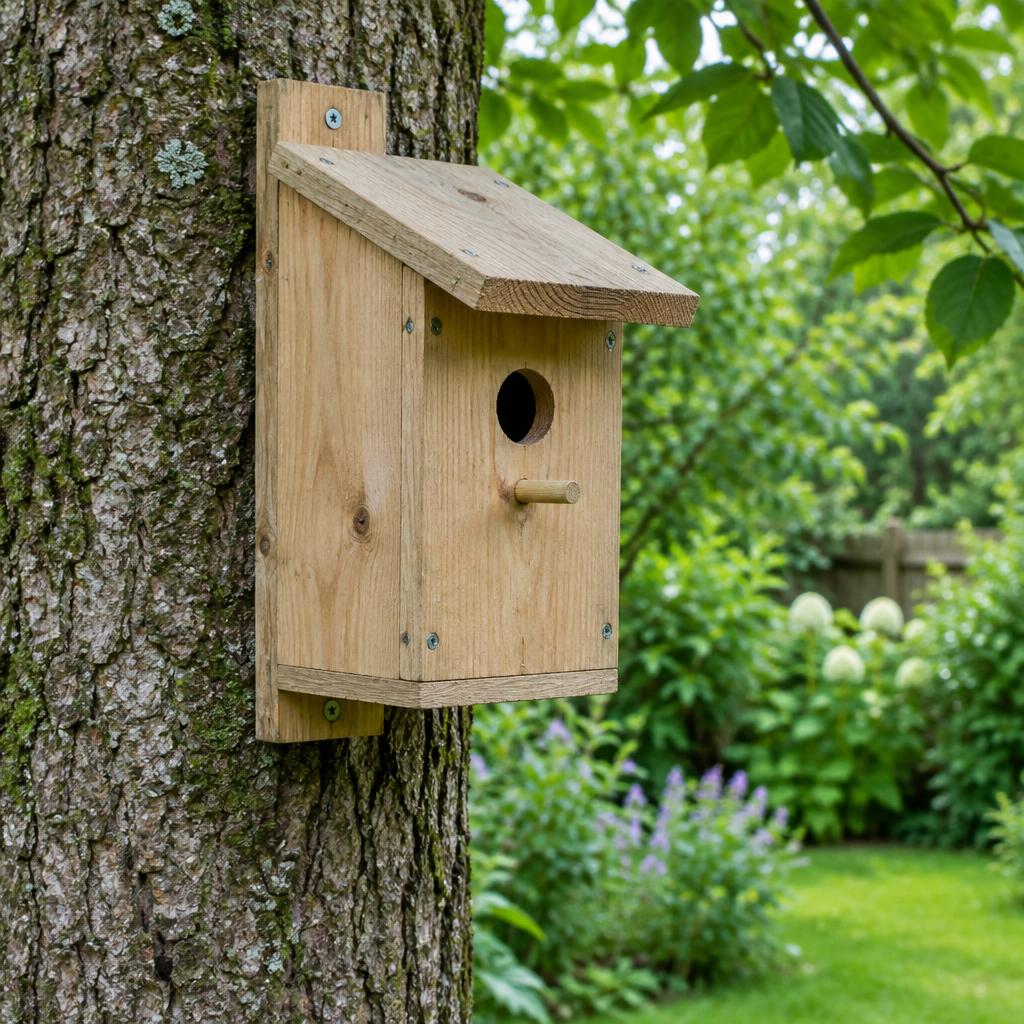
Blue Tit Nest Box Hole Size: Why 25 mm Matters and Where to Put It
A UK-focused checklist for entrance diameter, construction and siting, with BTO guidance and realistic expectations about occupancy.
5 min read
Bird Identification
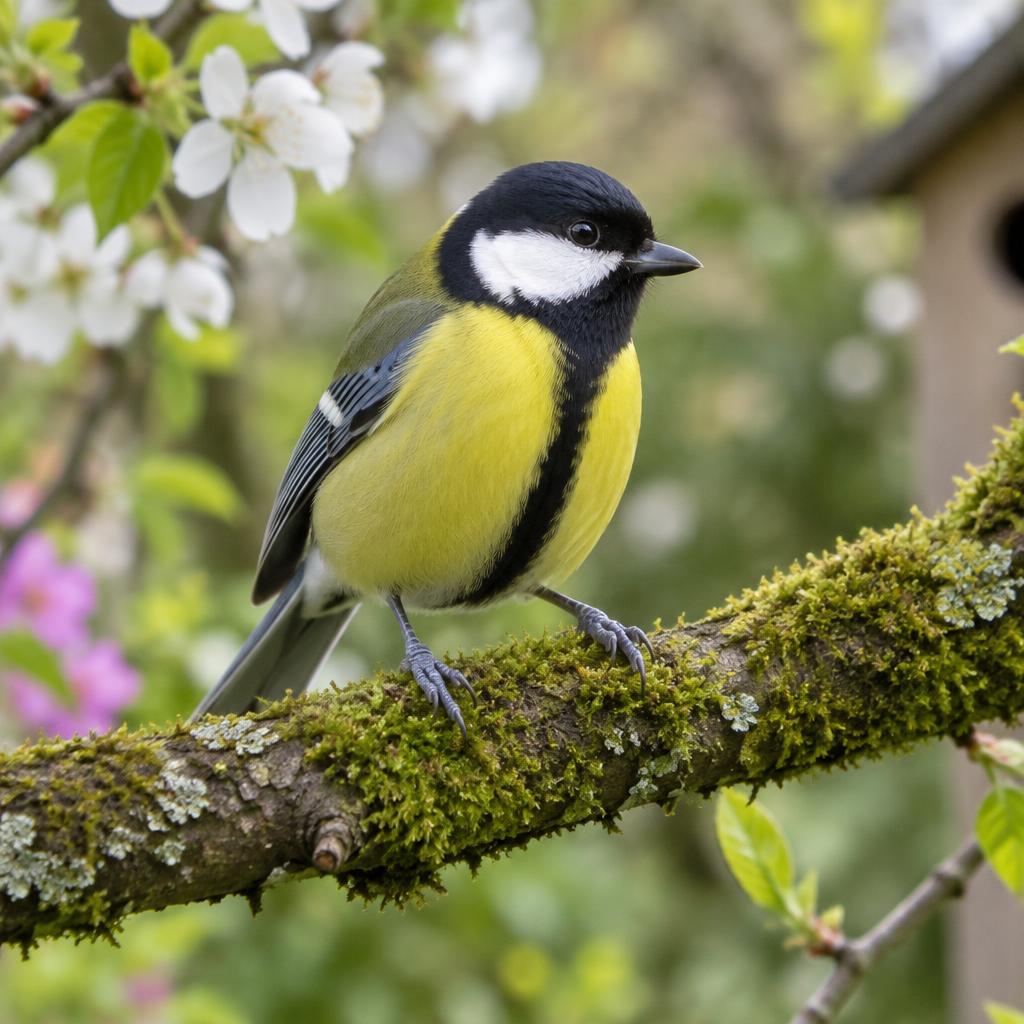
Identifying Garden Birds of the Paridae (Titmouse) Family
How to tell the blue tit, great tit, coal tit and marsh tit apart — a field guide for birdwatchers.
9 min read